
As families schedule summer travel and back-to-school routines, veterinary experts note that August marks the peak of boarding season, a period when dogs spend more time in kennels, daycare facilities and other shared environments. Pawprint Oxygen, a provider of oxygen and first aid products for pets, is highlighting the seasonal increase in respiratory illness and offering guidance to help dog owners recognize when a common cough may signal something more serious.
Kennel cough in dogs, clinically known as Canine Infectious Respiratory Disease Complex, is a highly contagious illness caused by a combination of viruses and bacteria. It spreads through airborne droplets when an infected dog coughs or sneezes, and it can also travel through contaminated surfaces such as shared water bowls and bedding. These conditions are more common in the crowded, high-contact settings typical of boarding and daycare, which helps explain why online searches for the illness tend to climb during late summer.
Common signs include a dry, hacking cough, sneezing, nasal discharge, mild fever and lethargy. Symptoms generally appear within three to ten days after exposure. In many cases the illness is mild and resolves with supportive care and rest.
Certain situations, however, call for closer attention. According to Pawprint Oxygen, warning signs that a cough may be more serious include labored or rapid breathing, blue-tinged gums, persistent lethargy, refusal to eat or drink, and a cough that worsens rather than improves. Puppies, senior dogs and animals with underlying health conditions face a higher risk of complications such as pneumonia. Owners who observe any of these symptoms are encouraged to contact a veterinarian promptly.
"Boarding season brings dogs together in ways that make respiratory illness far easier to spread, and most cases stay mild," said Blake Dube of Pawprint Oxygen. "The concern is knowing the difference between a nuisance cough and breathing trouble that needs urgent care. When a dog struggles to breathe, time matters, and being prepared at home can help owners respond calmly while they get to a veterinarian."
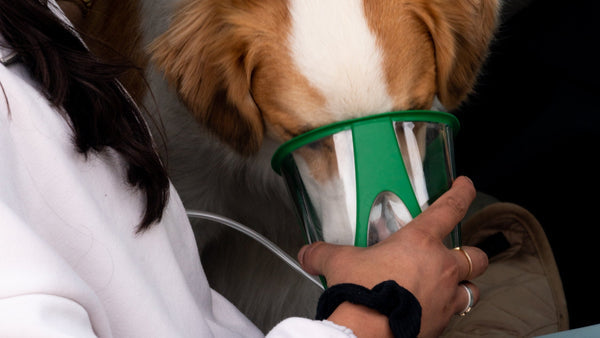
Pawprint Oxygen notes that preparation is an important part of managing respiratory emergencies. The company provides at-home oxygen therapy for pets designed for use at home, in the car or on the way to veterinary care. Such support is intended to assist owners during an emergency and is not a substitute for professional veterinary treatment or a cure for any illness.
"Preparation should never replace a veterinary visit," Dube added. "The goal is to give owners a way to support a pet during those critical minutes before care is reached."
For prevention, veterinary guidance emphasizes vaccination, good hygiene in boarding and daycare settings, and avoiding contact with visibly sick animals. Owners planning to board a dog this season are encouraged to confirm vaccination requirements and to monitor their pets closely in the days following a stay.
Pawprint Oxygen specializes in oxygen and first aid products for pets and is trusted by thousands of veterinary hospitals. Its offerings include rescue oxygen kits, chambers, concentrators, masks, first aid products, and related parts and accessories designed for use by pet owners and first responders.
###
For more information about Pawprint Oxygen, contact the company here:
Pawprint Oxygen
Blake Dube
info@pawprintoxygen.com
921 Saw Mill Run Blvd
Pittsburgh, PA 15220
United States